

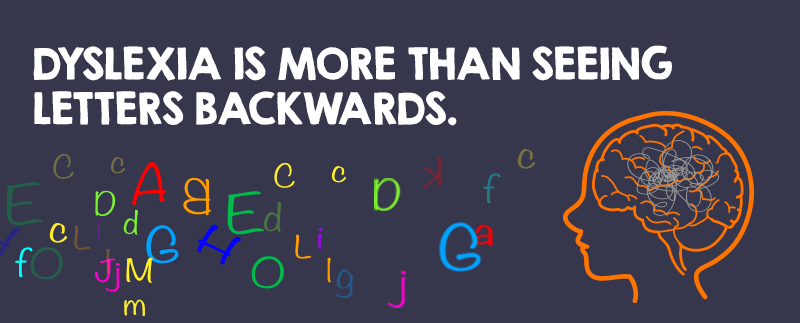
1. Dyslexia is a language-based learning disability. It’s not a vision problem. It’s not about intelligence. It certainly isn’t about laziness. It affects the way the brain processes written and spoken language. Nelson says people with dyslexia have trouble mapping letters onto sounds and vice versa. Students with dyslexia usually have a hard time reading, but they can also struggle with spelling, writing and even pronouncing words. Nelson notes the two key components of reading—word structure knowledge and language comprehension—and makes these points: “Word decoding without comprehension isn’t reading” and “Making up meaning without accurate word decoding is not reading.” She says, “If either one of those pieces is defective, it’s not going to work.” Nelson explains that children with classical dyslexia generally have good language comprehension skills when they’re listening. It’s when they’re reading, she says, that these students struggle with word structure knowledge, which affects their ability to decode and spell, and it may also interfere with their ability to understand what they read.